
This is a collaborative post.
Grief, even when the passing of someone is expected, can hit violently. It brings a sudden and jarring change to life’s routine. The way things used to be is no longer the same, and grief is not just about missing a loved one—it’s also about coming to terms with a new reality where they are no longer a part of daily life. For those who have lost a child, a spouse, or someone their routines once revolved around, it can feel as though life has shattered entirely.
Taking small actions to help someone cope with the new routine is invaluable. These actions are not about taking over or being controlling but offering quiet, consistent support. Grief moves at its own pace. Forcing someone to “move on” too quickly is neither helpful nor healthy. Everyone grieves differently, but they all share one thing: the challenge of adjusting to a life that no longer looks or feels familiar. Building new routines—or creating space for them to emerge—is essential to help the grieving person process their loss.

Swedish Death Cleaning
Swedish death cleaning, or döstädning, is the practice of decluttering and organising one’s belongings to make life easier for loved ones after death. But this concept can also apply to going through the belongings of someone who has passed away. Sorting through these items can be an emotional process. Every object holds meaning—a story, a memory—and confronting these emotions is not easy.
Embracing this process can be therapeutic. Yes, it brings waves of sadness, but it can also reveal moments of happiness within the grief. A forgotten photograph, a handwritten note, or a well-worn jumper can spark fond memories. It’s a way of cleansing emotions, making space for new routines, and honouring the person who has passed.
It’s important not to rush this process. Grief doesn’t follow a schedule, and a grieving person may not be ready to part with everything. Offering practical solutions, like helping them find storage options, allows the process to unfold gradually. Step by step, they can choose what to keep, what to let go of, and how to create a space for their new life while holding on to what matters most.
Helping Them Create a Physical Space for Remembering
Cemeteries are often the traditional place for remembering loved ones. However, cemeteries come with their own challenges. Many people associate them with maintenance—cleaning headstones, removing old flowers, and bringing new ones. What should be a time for reflection can start to feel like an extension of household chores.
Creating a space for remembrance at home can offer a more comforting alternative. For those who live far from the cemetery or have mobility issues, a personal remembrance space is especially meaningful. This could be a small area in the garden, filled with their favourite flowers and perhaps an angel keepsake figurine. Sites like Memorials.com offer beautiful sympathy gifts, such as engraved keepsakes, that can add a personal and peaceful touch.
This space doesn’t have to be grand. It can be a quiet corner where the grieving person can sit, reflect, or speak to their loved one. It becomes a place of comfort, free from the burden of chores or long trips. Compared to the grimness of a cemetery, this space can be alive with colour and warmth, offering moments of peace when they are needed most.
Doing House Chores for Them
When grief is fresh, even the simplest tasks can feel impossible. For some, staying active and focusing on chores may provide temporary distraction or a sense of control. For others, grief can be so consuming that it robs them of the energy to function. Processing the emotions of loss takes everything they have, leaving nothing for day-to-day life.
In these moments, the house can quickly fall into chaos. Dishes pile up. Laundry is neglected. Dust settles. A cluttered, messy home only adds to their distress, amplifying feelings of being overwhelmed. Offering to do basic chores—mopping the floors, cleaning the kitchen, or tackling the laundry—is a practical and compassionate way to help.
It’s not about taking over their home but about quietly keeping it running until they feel ready to take on those tasks again. A cleaner, calmer environment can provide small comfort, offering a momentary sense of order in an otherwise chaotic time.
Feeding Them
Grief is an overpowering emotion. It can numb basic needs like hunger, thirst, or sleep. For someone deep in grief, looking after themselves often becomes the last priority. The energy to cook, eat, or even remember to drink water simply isn’t there.
This is where small acts of care make a difference. Think of the concept of spoons used to describe chronic illnesses and disabilities—the idea that a person has limited energy to spend in a day. Grief takes all their spoons. As a friend or family member, you can step in and be the spoon they don’t realise they need.
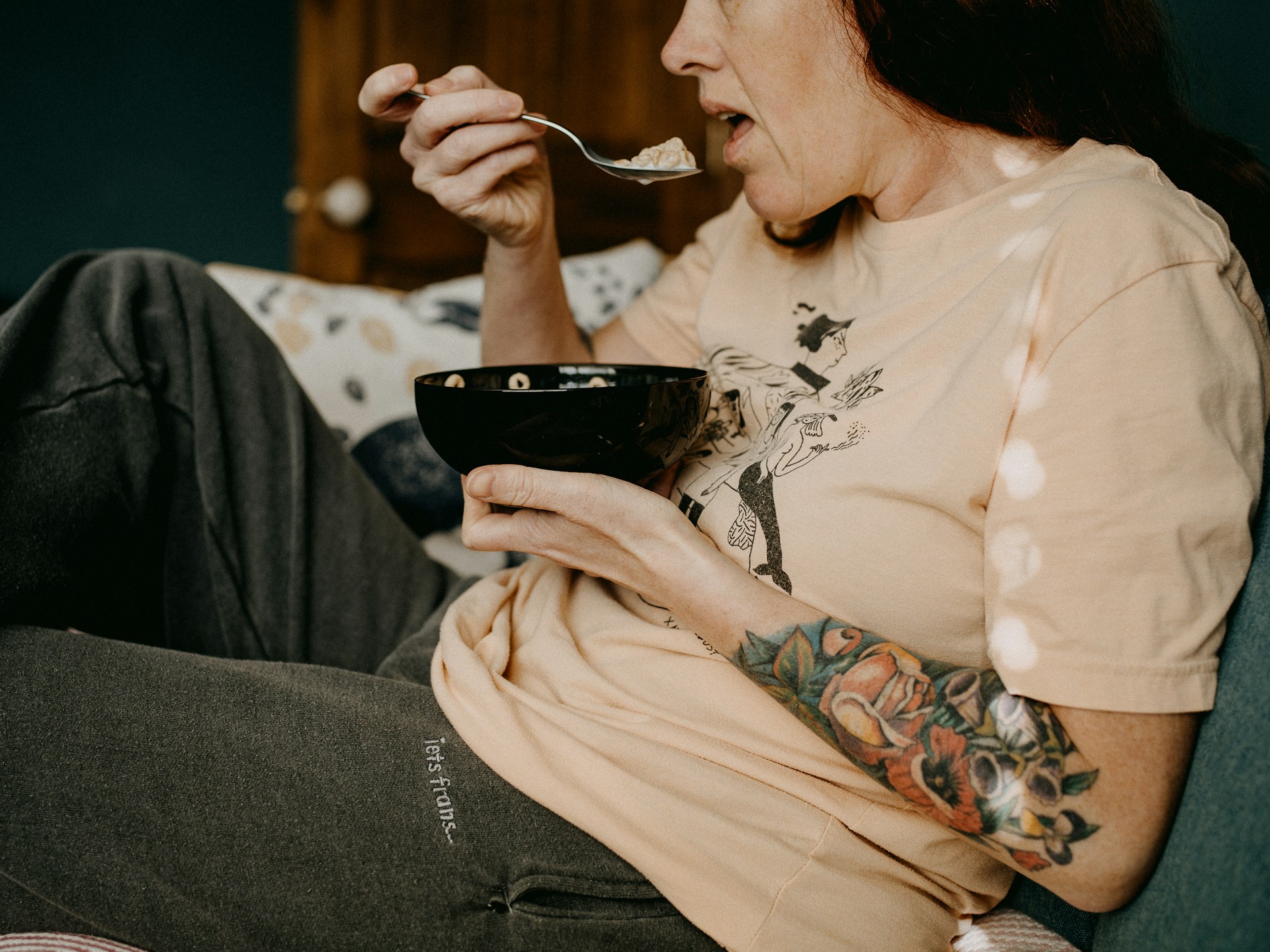
Feeding someone who is grieving isn’t about elaborate meals or fancy restaurants. It’s about nourishment and ease. Bring them simple, comforting foods—a warm stew, a bowl of soup, or even a slice of chocolate cake. It doesn’t need to be healthy; it just needs to be something they’re likely to eat. Food is a quiet reminder that their body needs care too, and that they deserve that care even when they feel empty.
Planning Short Visits at Their Home
It’s natural to want to stay with someone who is grieving, to be there for them around the clock. But grief is deeply personal. People need time alone to process their emotions. They need space to cry, to scream, or to sit in silence as they try to make sense of their loss. Grief doesn’t follow polite rules—it can hit in loud, messy, and unpredictable ways.
When someone feels watched, they might suppress those emotions. Society teaches us to grieve quietly, to hide our tears so we don’t burden others. This can lead to repressed grief, which is unhealthy and harmful. Suppressing emotions doesn’t make them go away—it only buries them deeper.
Instead of staying for days at a time, plan short visits. These visits give them a break from grief without forcing them to “perform” for you. A short visit allows them to cry after you leave, to stare into the distance without worrying about being observed. It also reintroduces small, grief-free moments into their life—moments of conversation, laughter, or quiet companionship.
These visits are not about fixing their grief but about being present. Over time, they can help the grieving person rediscover routine and normality, one small step at a time.
Grief is not something you can fix. It is not something you can rush. Naturally, it can be tempting to want to take someone grieving out of their home and throw them back into life, But these interventions are anything but helpful. On the contrary, they bring a high amount of stress and anxiety and also create a sense of guilt as the person may feel like they shouldn’t be grieving anymore even though they are not ready to take the next step yet. Grief is a process—a deeply individual journey that takes time, patience, and support.
Helping someone through grief means recognising their need to go at their own pace. It means offering practical help, whether that’s cleaning their home, bringing them food, or creating spaces for remembrance, without rushing or forcing them.
Above all, it’s about showing up, consistently and gently, and letting them know they are not alone. Small actions can have a profound impact, helping them find their footing as they learn to navigate a new life shaped by love, loss, and memory.

Leave a Reply