
This is a collaborative post.
Given the costs of living nowadays, it’s no wonder that so many people are looking to slim down their expenses. Of course, one of the biggest recurring expenses for any home is its utility bills. However, they don’t have to be quite as fixed as they might seem. Here, we’re going to look at some of the biggest changes you can make that, even when they require some upfront investment, can lead to long-term savings.
Insulate Your Home For Maximum Efficiency
Whatever means you use to heat up or cool down your home, insulation is always going to be one of the most effective ways to make sure that they’re working as efficiently as possible. Without the right insulation, your home is much more susceptible to heat loss through the walls, roofs and floors. This makes your heating system work harder, increasing energy use and raising your bills. This even matters in summer, where the same mechanics of heat transfer can cause your home to heat up faster, forcing your AC to work harder to maintain the temperature that you want. Aside from adding insulation in the walls, attic, under the floors, or wherever your home has cavities, you should look at sealing any gaps around your doors and windows, too.
Harness Solar Power For Fully Renewable Energy
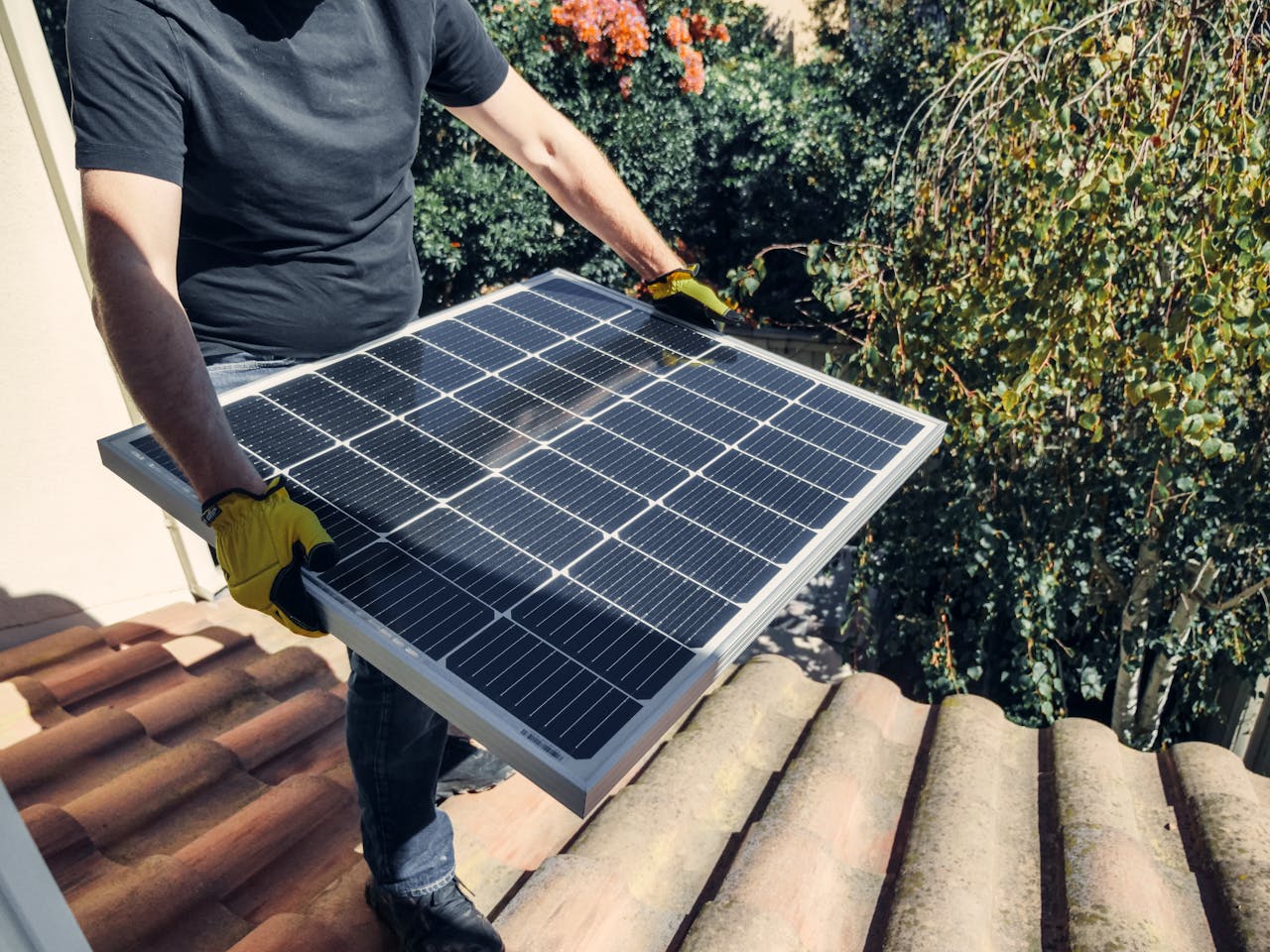
Depending on where you might live, you might be able to replace up to 100% of your home’s energy supply with renewable energy with the installation of solar panels. Solar energy allows you to generate your own power directly from the sun, and with additional battery storage packs, you can keep excess energy that you don’t use, so that you’re able to use it at night or on cloudier days. Totally off-grid systems can help you reduce your reliance on utility providers entirely. What’s more, in many regions, government incentives can make solar power more affordable, initially, so it takes less time for long-term savings to start paying off.
Install Water Recovery Systems
It’s not just energy you should aim to be more efficient with, but water, as well. If water bills are a concern, then grey water systems can help you recycle water from sinks, showers, and washing machines so that it can be reused for things like toilet flushing or irrigating your garden. This way, you’re not wasting as much fresh water where it isn’t strictly necessary. Your water savings can be further improved with rainwater catching systems that allow you to store rainwater, which can help reduce some of the costs of caring for your garden. Low-flow appliances can improve your water-saving efforts even further. Using water more efficiently not only cuts costs but also contributes to conservation efforts, making your home more resource-conscious overall.
If you want to make the biggest savings on your utility bills, you might have to spend a little first. The tips above can show you where to start, but there are smaller changes you can implement all throughout the home that can make a real difference.

Leave a Reply