
In January I published a video on my YouTube channel predicting that 2022 would be the year of the squeeze, and saying that we planned to up our efforts towards extreme frugality.
The news reports were right. Everything has gone up horrendously. Every time I pass a petrol station I am shocked by the price hikes on fuel. So, how can we mitigate some of these price increases? Here are 26 ideas to help you save some money.

27 Extreme Frugality Tips
1# Get books for free
If you don’t have a library card, now is the time to get one. Just have a look on your local authority website, or pop into your local library to find out about joining.
Libraries offer more than physical books these days. You can also borrow ebooks and audio books.
2# Find a frugal community
It can be hard to find other frugal folk in real life. Sometimes the people around you confuse being frugal with being mean. In fact, frugal living is just a way to control your finances and make the best of the money you have at your disposal.
I suggest finding frugal groups on Facebook. My own group, My Second Hand & Frugal Life, is a lively community of money savers and full of great money saving ideas.
3# Prep early for Christmas
Christmas comes at the same time every year, yet it seems that many of us don’t prepare for it. If you celebrate the season, get ahead to spread the cost.
We are now half way through the year. If you didn’t start in the January sales, now is the time to get going on Christmas presents! Personally, I am trying to buy as many gifts second hand as possible from boot sales, garage sale trails and charity shops.

If you are a crafter, you can start making them. Members of my Facebook group are all busy knitting, crocheting, painting and creating gifts and decorations already! I have taken cuttings from my house plants to grow on as gifts, and I am looking out for interesting posts and containers to present them in.
For more hints and tips on how to manage Christmas, you might like this post. Of course, if you are serious about extreme frugality, you may decide not to celebrate at all….
4# Have a wardrobe declutter
When you think you have nothing to wear and are tempted to make a shopping trip, think again. By decluttering your wardrobe, you are very likely to discover items of clothing that you had completely forgotten about. I wrote more about why you should have a wardrobe declutter here.
5# Eat more vegetarian food
Meat is expensive and can easily be replaced occasionally by cheaper, plant-based sources of protein in many dishes. How about aduki beans in a Red Dragon Pie, instead of shepherd’s pie?
Lentils and pulses are extremely good value. However, if you want to save money, steer clear of ready made veggie and vegan meals. Look to replace one or two meat based dinners a week and you will save money, as well as adding some variety to your diet. 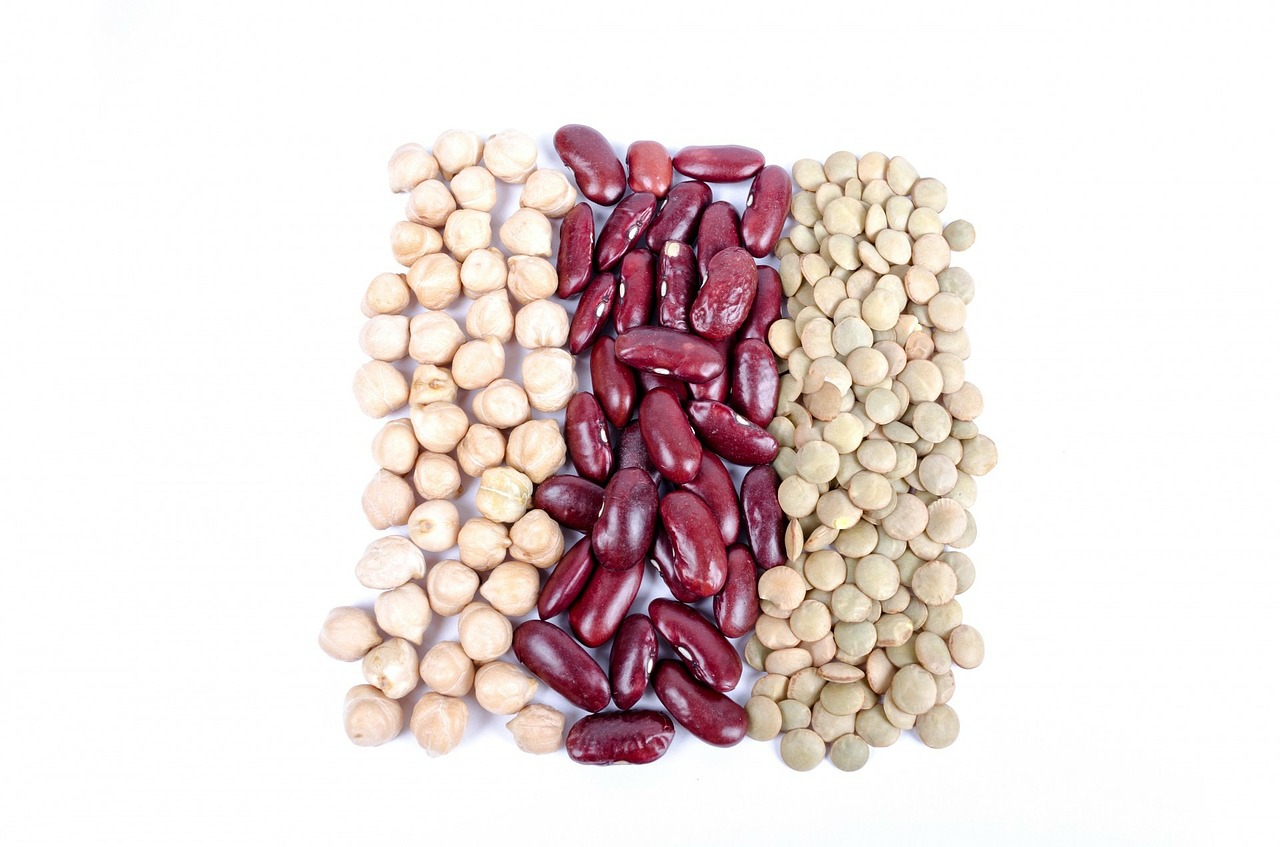
6# Free entertainment
Keep an eye on local council websites, library and community noticeboards, Facebook pages, etc for free and cheap events. Try to dispel the idea that every activity you undertake has to be paid for. Show the children in your life the pleasures of a muddy nature walk, find a village fete, or go for a bike ride in the country. There’s lots of fun to be had for free once you know where to look.
7# Fill a flask
Rather than boiling the kettle each time you fancy a cuppa, boil it once and keep it hot in a flask. For tea, you might need bringing back to the boil, but it will take less time and use less energy.
8# Reduce your prescription charges
If you are in England, prescriptions currently cost £9.35 per item. However, if you regularly get two or more items per month it is worth purchasing a three-month prepayment certificate for £30.25 or an annual one for £108.10, which can be paid as a monthly direct debit.
Bear in mind also that certain conditions and benefits entitle you to free prescriptions. Check our your entitlement here.
9# Grow a vegetable garden
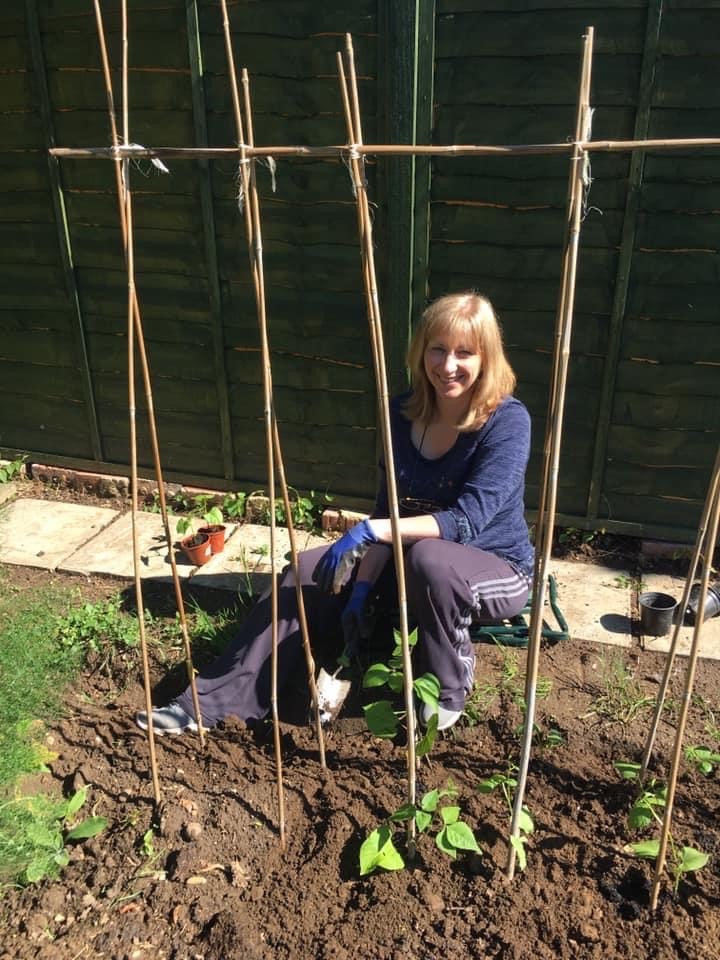
Growing some of your own food from seed can save you money, so if you have a little patch of ground get sowing! If you dont’ have a garden, apply to your local council for an allotment. There will be a long wait, but it’s still worth a go. You could also ask around to see if anyone you know would let you use some of their garden for a share of the produce.
10# Make the most of what you have
Before you buy something new, consider whether you already have something similar that can be repaired, improved or upcycled. Or even if you could really make do with what you have. For example, do you really need to upgrade your phone at every opportunity?
11# Sell your old stuff
Declutter and sell the things you no longer have any use for. Clothing that no longer fits, electronic items that have been upgraded (even if they are not working you may be able to sell them for spares on eBay), furniture, toys, books, jewellery, media, etc. In fact, anything that is sitting unused and unappreciated in cupboards, the shed or your attic can potentially be turned into cash.
12# Stay in!
In these tough times, staying in is the new going out. For example, we love a beer in a pub garden, but we also have a nice seated area in our own garden and beer from the supermarket is much cheaper!
13# Eat simply

Years of watching TV chefs produce gourmet feasts may have skewed our image of what is OK to eat. Simple food is often perfectly tasty and nutritious, and doesn’t require 20 different ingredients and several hours of your time. For example, jacket potatoes, chunky soups and bread, pasta and sauce or something on toast are perfectly acceptable grub in my book and will save you money.
14# Reduce your cleaning bill
Cleaning products are big business. It seems nowadays that we need a different thing for every job in the home. Keep it simple. Soapy water, a vinegar spray, washing up liquid, bleach and disinfectant are all you really need to make things clean.
You can also save money by using less. For example, I chop dishwasher tablets in half and use much less washing powder than the manufacturers suggest.
15# Dilute stuff
Lots of things can be diluted to make them last longer. For example, shampoo, washing up liquid, milk and fruit juice. My family rarely notice!
16# Use your teabags twice!
(If you like weak tea, anyway. I am a builder’s tea sort of a gal, so I would need to have first use!)
17# Use a steamer
If you are cooking vegetables in any quantity it makes sense to invest in a set of steamer pans. We have a three tier set. The potatoes go in the bottom and when they are ready to be cooked, the veg goes above. You can cook the whole lot on one ring. One thing to note: Always put a lid on your pans to bring them to the boil, as they will get there more quickly.
18# Buy supermarket own brand everything
When you are aiming for extreme frugality, buying branded food makes no sense. The supermarket own brands – particularly the value ranges – are much cheaper. We are often drawn in by advertising and clever marketing, when there is often little difference in taste and quality.
19# Eat from the pantry
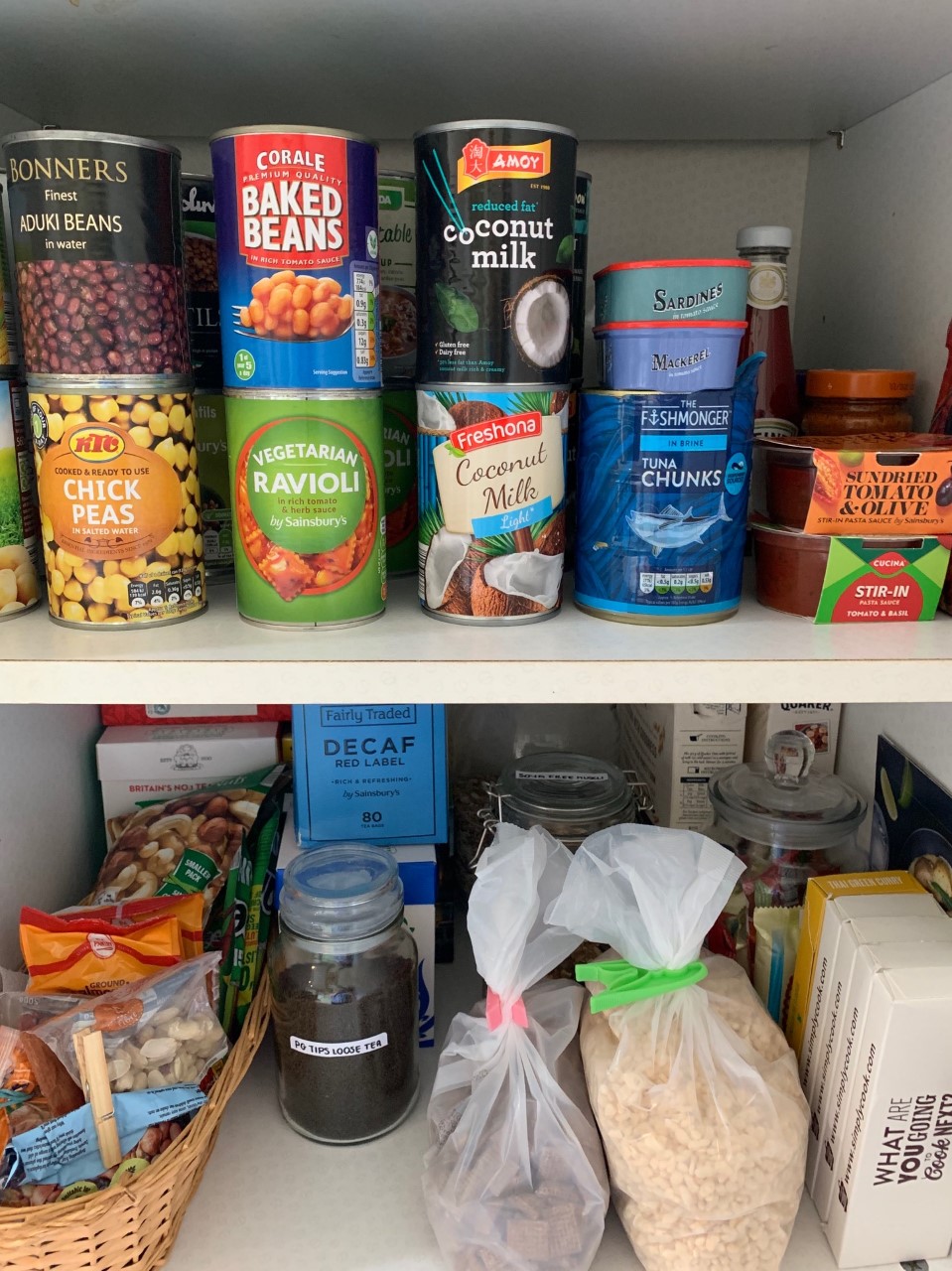
Once a month or so, challenge yourself to do a minimal shop and eat from the pantry (plus the fridge and freezer, of course). Make a point to use items that have been sitting around a while so that they don’t get wasted.
20# Go for reusables
Although they may cost more to begin with, reusable rather than disposable items will save you money in the long term and are better for the environment.
For example, think about investing in washable dishcloths and cleaning cloths, use old flannels or a chopped up towel instead of kitchen roll, try reusable makeup remover pads, sanitary towels and moon cups. A beeswax wrap or just a small plate can be placed over leftovers in the fridge rather than using cling film or foil, or you can save your old butter and ice cream containers for this purpose. Wash out cereal bags, as these are good for storage, along with bread bags too. Avoid disposable wipes too – it is easy when you think about it.
21# Cost out your ingredients
I have a very old book, The Goode Kitchen, by the 70s queen of extreme frugality, Shirley Goode. She suggests you approach food in the same ways as a professional caterer would. They know the cost of their ingredients – they need to so that they can work out how to price their recipes and make a profit.
She writes, “The trick is to know the cost not just of the whole item but of the smallest amount you’re likely to need – for example, 1 oz (25g) of flour of cheese, or one egg. The best way is to work it out once and write it on the packet or container, and then to update it once or twice a year…”
In this way, you can work out exactly how much your favourite recipes cost you to make. You can also see how much you save cooking from scratch as opposed to buying ready made.
22# Hang your laundry
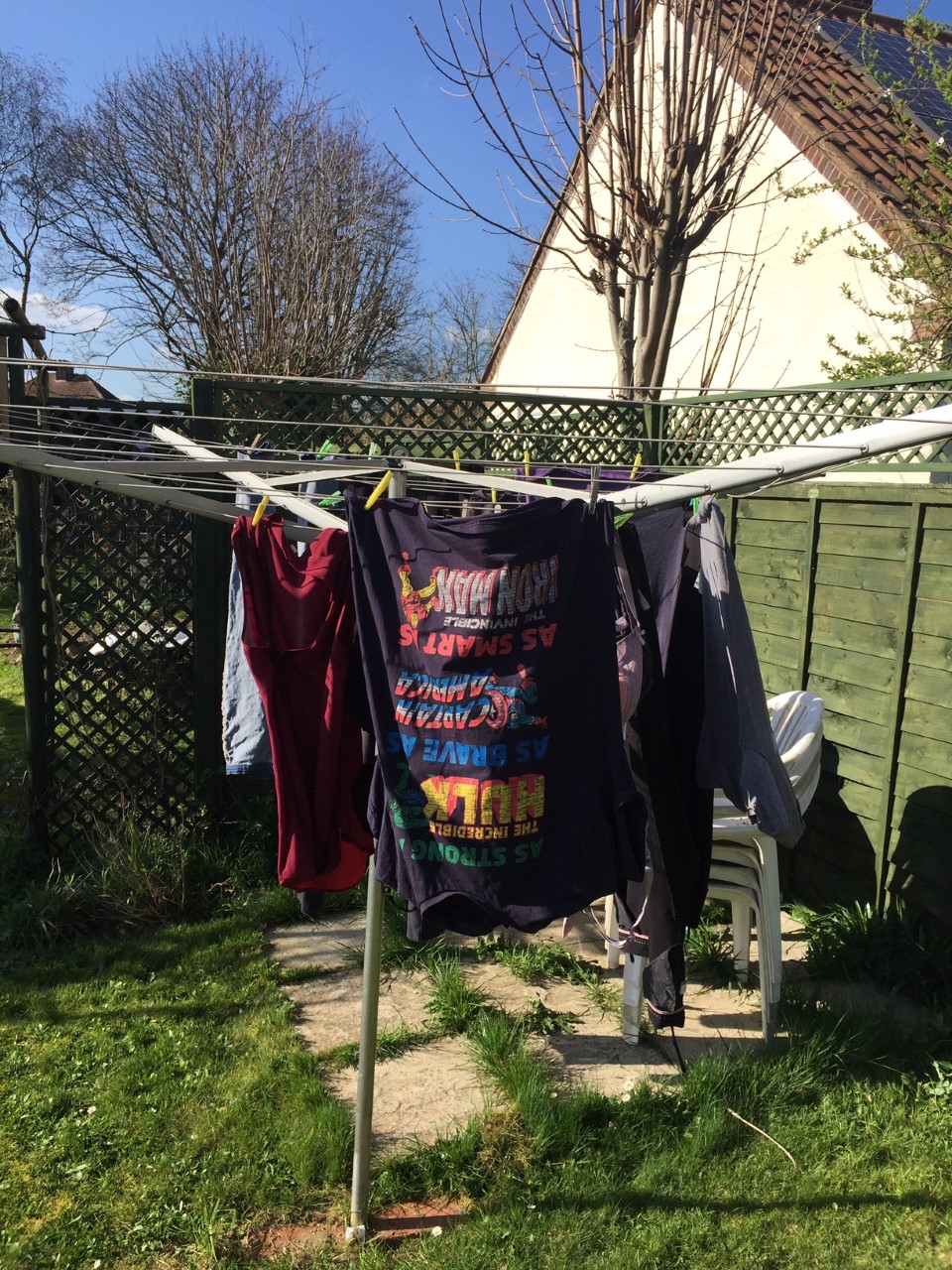
Tumble dryers tend to be expensive machines to run. When the weather is fine, hang your laundry on a line outside or an airer, or indoors on rainy days. We even use the airer under our gazebo in warm but wet weather.
23# Turn it off
Vampire devices can cost you money. Turn all your devices off at the plugs when not in use, as they continue to use a lot of energy on standby (especially TVs and digiboxes). And don’t leave chargers plugged in when not in use.
24# Buy seasonal produce
It makes sense that fresh produce will be cheaper when there is plenty of it about, so it pays to buy your fruit and veg when it is in season. You will also notice that it tends to taste nicer, as well as being much cheaper! For example, strawberries are amazing in June and inexpensive, but if you buy them in December you will be paying for their air fare from some far flung country and the cost of forcing them to ripen.
25# Hit the market
If you are luck enough to have a decent market where you live, hit it just before closing time to find reduced produce. The reductions can be huge on a Saturday afternoon.
26# Avoid ready chopped produce
It is very much more expensive to buy your fruit and veg ready chopped or grated, plus it won’t last as long. Unless you have a disability that makes chopping difficult, you will get much more for your money if you chop it yourself. However, if you don’t have time to chop, buy frozen. It is still full of goodness, but much cheaper.
27# Invest in a freezer

Talking of frozen produce, I think a freezer is a great investment for the money saver aiming for extreme frugality. You can store leftovers, gluts of produce and your yellow sticker bargains.
Defrost your freezer regularly and hoover the back as this apparently makes it more efficient. Keep it full too, even if you just freezer old milk bottles full of water. The theory is that when your freezer is full, less warm air can get in when it is opened and it doesn’t have to work as hard.
Extreme frugality doesn’t have to be hard work and is often a question of intent and organisation. Any tips to add? Please share in the comments below, and don’t forget to come and join my Facebook group for even more ideas.

CurlyTop says
Even though I think of myself as frugal and consider my purchases, it’s always good to have visual reminders and these are great. I’m trying to be as frugal as I can due to rising prices but also so that I can make more savings to enable me to retire from work early, as my health is getting worse and each day is a struggle. Thank you for such simple but effective reminders.