
Feel like tending your garden and becoming a bit more self-sufficient? It’s not as hard as you think. Here are some ideas for easy plants to grow for food here in the UK.
Like baking, gardening has become massively popular during lockdown. There is something wholesome and healthy about getting out in the fresh air for some healthy exercise during a deadly pandemic.
During the initial weeks of people panic buying, knowing that we had plans for the greenhouse and vegetable patch was oddly reassuring. We are miles away from being anything like self-sufficient in our efforts to grow our own. Nevertheless, the thought of not having to go out to the shops and being able to pop down the garden for tomatoes or a lettuce for tea is very appealing at this point!
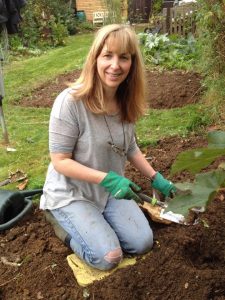
Among my other reasons for enjoying growing some of our own food is that we grow pretty much organically (although I have been known to give in to the odd slug pellet. Our garden is full of the little blighters).
Growing your own is more eco-friendly too; reducing the amount of packaging coming into the house and the number of food miles. Finally, of course, growing your own is much cheaper. From an inexpensive packet of seeds you can grow a lot of plants! Probably far more than you need, so sharing seeds or seedlings among family and friends is a good idea.
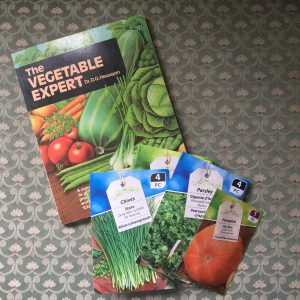
I have found that a pack of seeds, once open, will germinate fine the following year too as long as you keep them somewhere cool, dark and dry.
If you have never tried growing anything before, it can feel intimidating. But seeds want to grow! All they need is light, moisture and soil. In my first example of easy plants to grow for food you don’t even require the soil.
I am not an expert, but that is sort of the point. It’s not difficult to grow at least a few plants that you can eat if you read the instructions.
Five easy plants to grow for food
1# Sprouting seeds
I realise that we are hugely privileged to have our garden and I am very grateful for it. Some people will only have a window sill, a balcony or a patio. Nevertheless, you can still grow things to eat.
If you are someone short of outside space, you can still grow healthy sprouts and microgreens on you window sill. A stackable affair like this Complete Bean/Seed Growing Kit from Amazon*

They are a highly nutritious addition to salads, sandwiches and stir fries and the varieties to choose from are huge.
Remember growing cress on a bit of damp kitchen roll at school? You could start with that and no special equipment. However, if you want to grow a worthwhile amount it is best to use a larger container. It doesn’t have to be a proper sprouter though. You could simple use a waterproof tray and scatter your seeds onto damp kitchen paper. It will need to be inspected regularly to make sure it doesn’t dry out.
2# Courgettes/zuccini
Courgettes are such a satisfying first crop to grow, as they tend to give you a good yield so you don’t need many plants. We always grow far too many! Still, they freeze well for use in soups and stews.
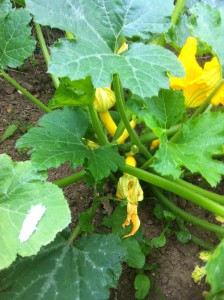
The seeds are large enough that you can put one in each pot and don’t have to worry about thinning out your seedlings. Start them in small pots in a warm, light place. We got ours going indoors during March, but they can be grown outdoors from May.
If you don’t want the trouble of preparing a vegetable patch or don’t have space for one, courgettes do well in grow bags, as long as you keep them watered. They need a sunny spot protected from strong winds and well-drained soil.
As soon as the plants begin to fruit start picking them small. The more you pick them, the more courgettes they will produce. They tend to get watery and tasteless if you let them grow too big.
You can buy courgette seeds here
Parsley
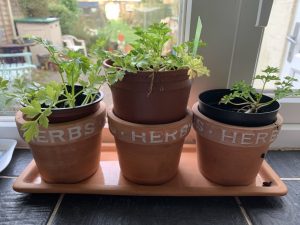
Parsley*
I have been known to buy a pot from the supermarket and repot it at home to make it live longer. You do need to harden it off slowly rather than just dumping it outside, though.
It also has loads of culinary uses, so is a great herb to have around. If you fancy growing herbs, check out this post about why you should.
Chard
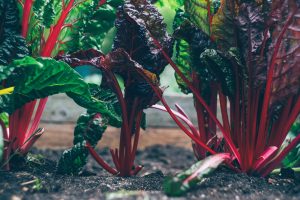
I love this plant, which is a like spinach but without the slightly furry after taste. It also gives you juicy slightly crunchy stems, which I think are delicious with butter.
Unlike spinach, the seedlings don’t bolt and go to seed, which is why I prefer to grow this vegetable. You can cut the leaves as you need them, and they are usable right through the winter. We are still eating ours from last summer (it’s early May as I write this), so they fill the hungry gap nicely, when little else is growing.
There are excellent instructions on growing chard on the RHS website here.
Spring onions
These take up little space and are quick to grow. You will need a small patch of soil raked to a fine tilth. Water it before you sow your seeds, then sow in drills around 10 cm apart.

You will need to thin the seedlings as they grow or they will become too crowded. Bigger seedlings will also give a nice, onion flavour to your salads or you can use them as you would chives.
More help
If you want to get serious about growing your own, a classic book is Dr D G Hessayon’s Vegetable & Herb Expert*
So far we are growing runner beans, courgettes, kale, broccoli, lettuce, tomatoes, cucumbers, chard, peas, carrots, broad beans, redcurrants, blackcurrants and raspberries. That’s all we have space for at the moment, but I think that will be plenty for now.
What are you growing and what do you think are easy plants to grow for food?
If you enjoyed this post, check out this one on making compost.
This post contains affiliate links, marked with *. If you click through and make a purchase I will earn a small commission. Thanks!
I’m linking up with this Cass, Emma and Becky in this week’s ‘Frugal Friday’ linky.

Sandy says
Sowing seeds, try using tweezers to pick up seeds it works a treat,
shoestringjane@outlook.com says
Good tip – fewer wasted
Julia says
I’m really disappointed with how my seeds have fared so far. I sowed in pots in March and so far only the radishes are looking like they’re doing anything.
Half the lettuces suddenly wilted and died last week, and the remaining are no more than 2 inches tall, the rocket less than that!
The parsley is just a weedy looking stalk with 4 leaves, the sweet peas barely 10cms. Basil still less than 1 inch tall.
The only thing that looks like it’s doing well is some Cosmos!
Heaven help me if I ever get that allotment!!
shoestringjane@outlook.com says
Still time to sow more?
Tina says
Great to hear you’re growing courgettes, maybe you can give me some advice. I planted some courgettes seeds, only 5 and left them on the kitchen window (south facing). That was on 12th April. Nothing germinated. I planted 5 more 2 weeks later and again they did not germinate. I’ve tried 5 more seeds today so hopefully they will grow. Any ideas why they didn’t grow?
shoestringjane@outlook.com says
Are they all from the same packet? Maybe a dud?
Tina says
Yes they are all from the same packet. I bought them in poundstretcher about 6 weeks ago. I’ll see how these ones go and if nothing grows I think I’ll try a new packet…. If I can get any!
shoestringjane@outlook.com says
You can find them on amazon at a reasonable price. They say the garden centres will reopen soon too – hurrah!
Tina says
Will order some on Amazon today. Thanks for advice.
becky says
Great advice – we have just been planting some lettuce here
Eloise says
Despite growing a few different fruit & veg species, no matter what we’ve done over several years, spring onions have defeated us!