
There is no denying that many countries embrace renewable energy as a practical way to achieve net-zero emissions. The UK has made great strides on this front, with data indicating that its renewable electricity exceeded its fossil fuel generation for the first time in 2020. Ember data reveals that renewable energy generation constituted 42% of the country’s electricity compared to 41% generated from gas and coal plants. The renewable energy sector is ever-evolving, so there are several trends to stay on top of. Here are some of the latest clean energy trends to know in 2022.
Continued Rise Of Solar Energy
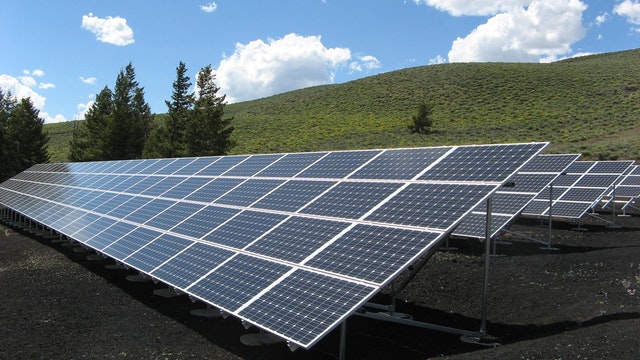
The UK is the third biggest solar energy producer in Europe and the seventh worldwide. The solar industry has not received much government attention and funding in recent times, but private companies like Think Renewable continue growing the industry. Indeed, the trade body Solar Energy UK dubbed 2021 potentially the most significant year for the UK solar industry due to the 730MW of solar generation capacity added last year alone. Many experts hope that the continuous development and investment in solar will sustain this growth and potentially make the technology more efficient, longer-lasting, and cheaper in the years ahead.
Bioenergy’s Increasingly Essential Role
Bioenergy is renewable energy derived from recently living organic materials known as biomass, which can be harnessed to make electricity, transportation fuels, heat, and products. As per the Department for Business, Energy & Industrial Strategy (BEIS), bioenergy was responsible for about 11.3% of the UK’s power generation in 2019 and 16.7% of capacity. As such, it is the second-largest renewable energy generator after wind power. It is clear from a recent Association For Renewable Energy and Clean Technology (REA) report that bioenergy will play an increasingly bigger role in the UK’s path to net-zero by 2050. Indeed, it has already offered a 4% reduction in greenhouse gas emissions and is worth about £6.5 billion to the UK economy.
AI Energy Management
Energy management focus is fast shifting towards instantaneous decision making. This shifting focus requires better real-time data gathering and analysis, so automated and AI energy systems quickly become essential to renewable energy. Artificial Intelligence and Big Data involved in modern energy management are crucial for reducing emissions and the country’s reliance and fossil fuels and trimming costs when the market is volatile. These systems will also offer more transparency which will boost the government’s initiatives for the energy sector, so keep this in mind.
Green Hydrogen
Hydrogen gas features prominently in Boris Johnson’s 10-point green industrial revolution plan for 2030. It has the most substantial energy density of all fuels and has almost no greenhouse gas emissions. However, a chunk of hydrogen is gotten from non-renewable sources in the form of brown and grey hydrogen. However, strides in fuel cells and renewable energy have accelerated the transition to green hydrogen. It is expected that further developments in green hydrogen will focus on improving its storage, transport, and distribution.

Leave a Reply