
I despair when I look at my grocery shopping when I have been to Aldi or Lidl. Being a frugal shopper sometimes feels so much more wasteful than it should – or could – be! I get an overwhelming sense of guilt at the amount of plastic we bring into the house, some of which isn’t even recyclable. So I have been really thinking about what we can do to reduce plastic waste, and here are some ideas – even when you shop at the budget supermarkets.

Reduce plastic waste at Lidl and Aldi
1# Write to the retailers
People can be powerful. If we all write to whichever supermarkets we regularly shop at complaining about the number of products that can only be purchased from them encased in plastic, then maybe they will listen. As consumers, we have a voice and we need to use it.
Tell them that they need to review their packaging: to use less overall, to try to use compostable paper and cardboard wherever possible, and where they do use plastic to at least make sure it is fully recyclable.
If Iceland can do it, so can they! See Iceland’s policy here. It doesn’t go far enough, of course; their plan to reduce plastic waste only applies to their own brands, but it’s a start.
2# Buy loose produce
I was heartened to see Lidl selling reusable produce bags recently. However, in reality neither Lidl or Aldi actually sell much loose at all. Where I can buy loose products I do, but it is a fact that they are more expensive and the choice is limited.
So, it’s difficult. However, as I say, you can reduce plastic waste by taking your own produce bags to fill wherever possible. When you have the choice, go for loose.
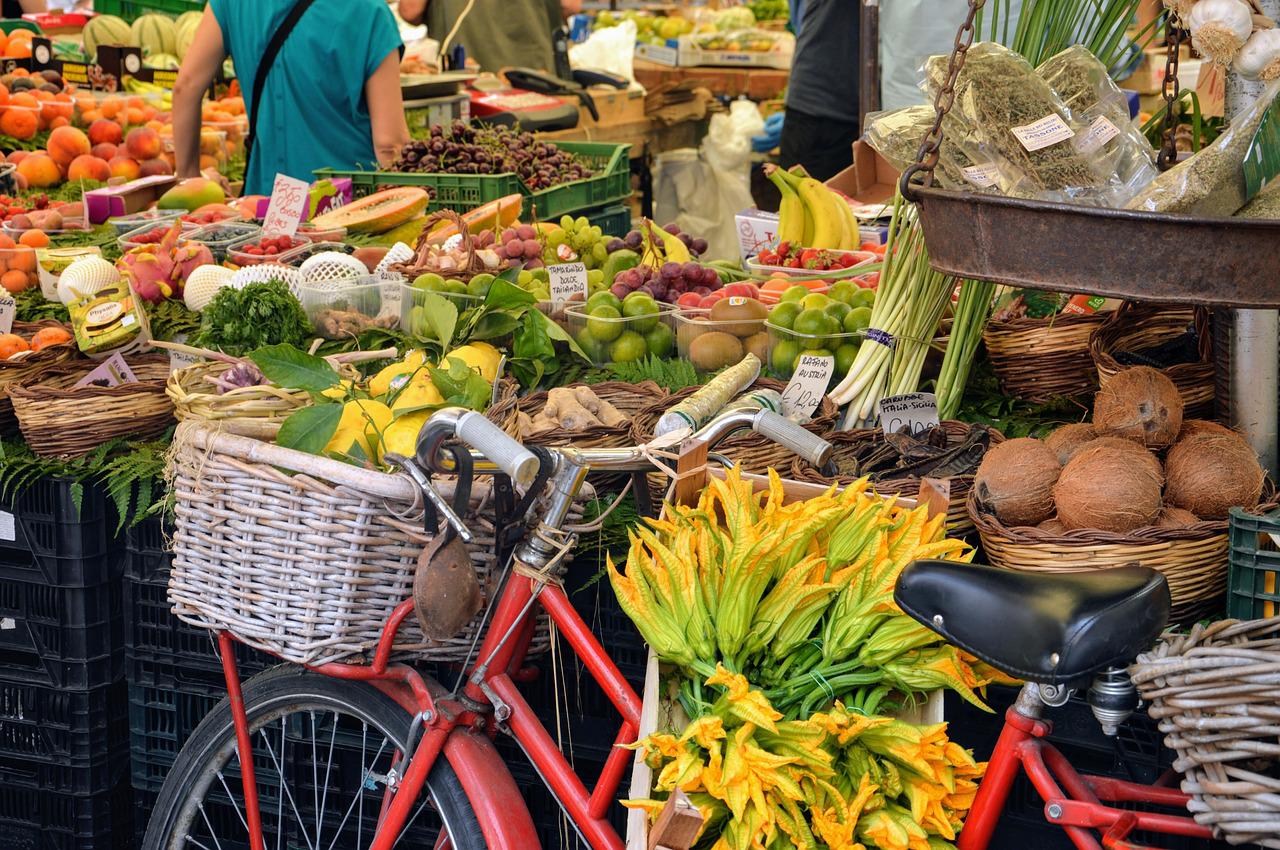
Tesco’s and Sainsbury’s and even Asda seem to have a lot more loose fresh produce, but I find I spend much more and go over budget when I shop there.
I have been going to our little farm shop recently. They have loose fruit and veg, which is seasonal too. However, their other products are also encased in the dreaded plastic!
3# Look for glass or paper packaging
Another thing I do to reduce plastic waste is to search for products such as mayonnaise and ketchup in glass bottles and jars. I buy them when I spot them, as they aren’t always available.
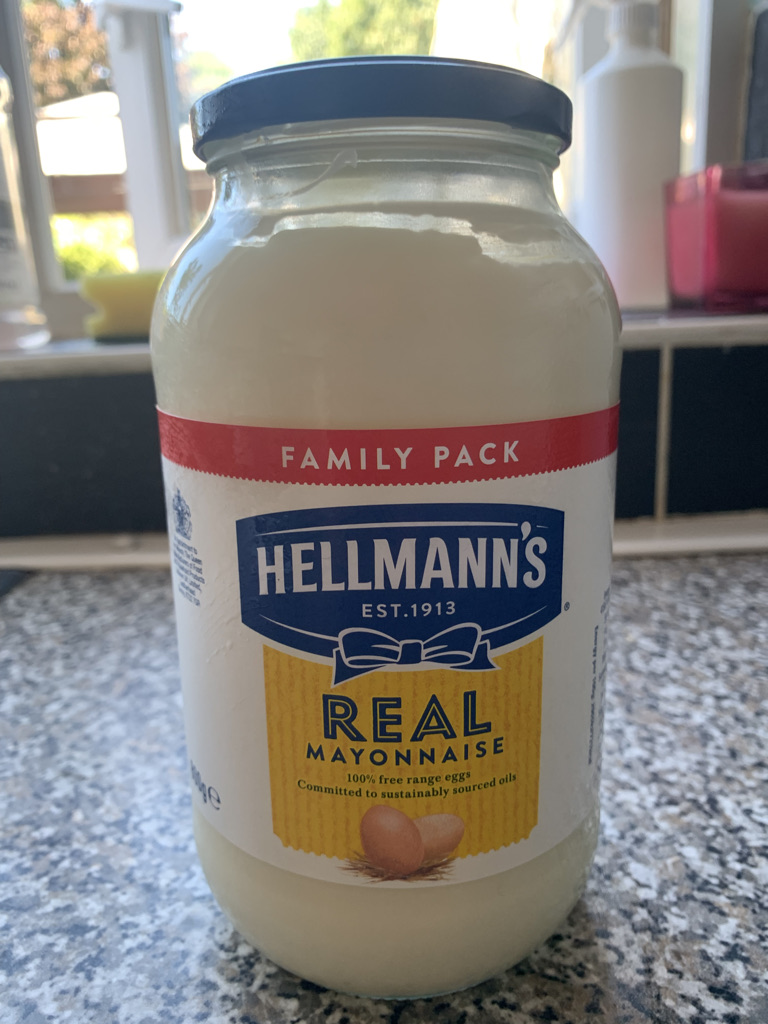
Glass is more easily recyclable than plastic, and can be reused to store your dry goods in, such as lentils and pasta.
I also buy butter wrapped in paper rather than a plastic pot, and the Lidl bakery sells unpackaged bread, rolls and cakes. So take along your own bags when you buy bakery products.
4# Reuse plastic bags and containers
Rinse out plastic bags from bread, fruit and cereal for reuse. They are always handy to store food in the fridge or freezer, and for packed lunches.
Large yogurt pots, ice cream containers and margarine are also good for storage. I keep anything like that for when I make soup to freeze, but they are also great for leftovers.
5# Avoid convenience foods
The more ready made food you buy, the more plastic you will have to contend with. Convenience costs more money too, so if you are on a tight budget, make your own wherever you can.
I know that when you are working and have a family, time can be short. Baking all your own bread, making pasta from scratch and making every meal from fresh ingredients may be outside the realms of possibility. However, when you do need something quick and easy, look at the packaging to see how you can reduce plastic waste in the process.
For example, a glass jar of pasta sauce poured over pasta (purchased in as large a bag as possible) is better than a pasta ready meal in a plastic container.
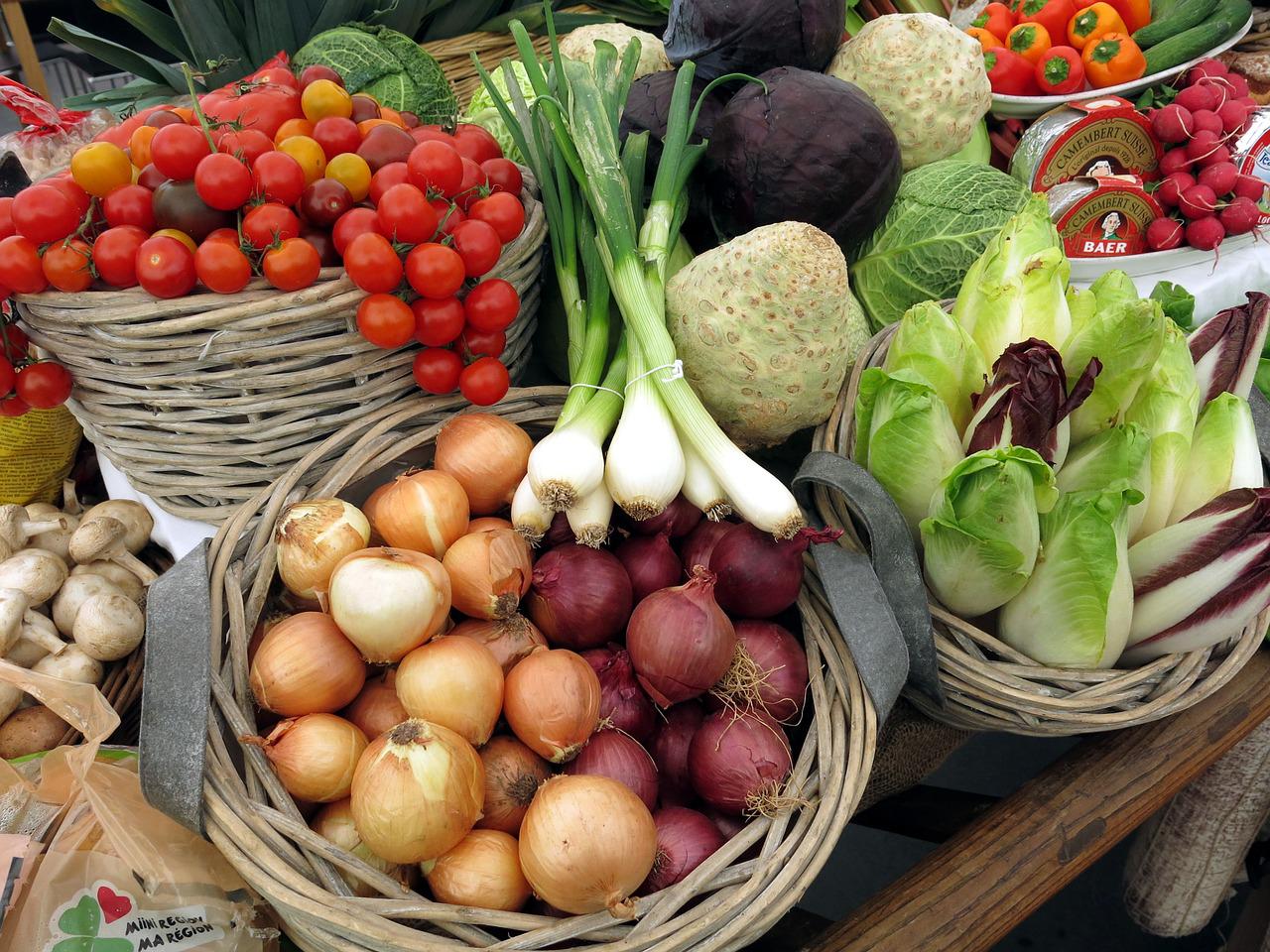
In an ideal world I would buy all my fruit and veg from an organic farm shop with no packaging, get our loose goods from the refill shop and purchase our meat from the butcher. However, I have attempted all of these things in the past. Not only did it bust the budget, it involved a lot of time and journeys to several different shops.
If we are going to reduce plastic waste, and preferably get rid of it altogether, I think we are best to work with what we have. A one stop shop is better in terms of transport and saves time. You are also likely to find better prices. So, let’s put the pressure on the budget supermarkets to help us reduce plastic waste.

Chris says
Have you tried the soft plastic recycling at the Coop and Sainsburys. So long as it won’t stay scrunched up you cyan recycle it in there bins. Read about it on the Coop website.
shoestringjane@outlook.com says
I have put some bags in their recycling before. However lots of the film isn’t recyclable, which is annoying
Darwin Girl says
I’ve been following you for ages and on YT too. Thanks for all the awesome tips.
shoestringjane@outlook.com says
Thanks! Glad you enjoy the blog