

I recently filmed two videos for my YouTube channel about how we are keeping our food shopping bill low amidst a sea of price increases and I thought I would put them into blog form. So, here goes. Here are my best tips on how to save money on food.
(If you want to, you can see the original videos here and here.)
How to save money on food
Shop at different places
Firstly, don’t do things the way you always have. Have a radical rethink about what you eat and where you buy it. For example, try shopping at different places. Instead of always going to Tesco, Asda or Sainsbury’s, try the discount supermarkets like Lidl and Aldi. You will be amazed at how much cheaper they are overall, despite the price matches the bigger retailers now do. When you really examine these, they are on just a few items and your shopping overall will be more expensive.
If you are blessed with a decent market in your town, use it. Fresh produce like fruit and vegetables is almost always cheaper. However, beware the fancy bread and cake stalls, as these are most definitely full of luxury items.
If you work full time and sometimes need to buy convenience food, then take a look at Approved Food*. They sell branded groceries near the end of their best before dates. They are still perfect, however. Remember that best before dates don’t signify how safe a food is and are more to help retailers to keep their stock circulating. They put items with shorter dates towards the front in the store for a reason.
Approved Food is also good for sweets and snacks, lunchbox items and gifts. They even sell pet food and food for specialist diets from time to time. But do bear in mind that there is a small delivery charge. It makes sense to get a big order in rather than a few small ones, or to share with a friend or family member.
Ethnic supermarkets are also worth perusing as they can be cheaper for certain items, especially if you buy larger packs.
Cook from scratch
Generally, if you can forgo convenience foods you will save money. Cook from scratch as much as you possibly can. But remember, meals don’t have to be complicated and take lots of time. Personally, I would pretty much prefer anything to slaving over a hot stove for hours at a time! Keep your food simple: Make a cheese or tomato sauce to pour over pasta, have omelettes with jacket potatoes, or fry up some sausages with a pile of creamy mash and some veg from the freezer.
If you live by convenience, you must be prepared to pay more. There are so many products to tempt you, when in fact the time saved can be negligible. For example, how long does it take to grate your own cheese or chop your own salad and vegetables?

This will be much cheaper. Alternatively, purchase your vegetables frozen or canned to save time. These are also often a cheaper option than fresh, with less waste.
Plan, plan, plan & don’t waste stuff
Planning your meals for the week or fortnight, depending on how often you shop, will mean that you only buy the food you need and you use up what you have already. Meal planning also saves time and brain power when you get in from a busy day.
Store your leftovers in the fridge or freezer and build them into your meal plan. Frugal people looking to save money on food do not waste anything. This applies to bones and odds and ends of veggies too, which make fantastic stock.
Organise your food storage
Keep your fridge, freezer and food cupboards tidy and organised. This will help you with your meal planning and stop you wasting food. You do, after all, need to know what you have in order to use it.
Carry out regular stock takes before you start planning your meals and writing your shopping list.
Make a shopping list
Once you have planned your meals, make a shopping list and stick to it! Again, shopping with a list will tend to get you around the shop more quickly, thus saving more time.
This applies even if you shop online. It is still easy to get pulled into all the special offers, whether you shop in digitally or in person! Having a list focuses your attention.
Know what things cost
It may seem obvious, but how often have you thrown something in your trolley without noticing the price? If you aren’t aware of what items cost, how do you know when you see a bargain? How will you know when the cost has gone up or where the best place is to get your rice, cheese or cat food?

I used to suggest keeping a price book, so you can see which store sells the cheapest of each product. However, things are moving so quickly at the moment it would be of negligible value. It can be helpful to write the price of things onto the item itself as you are unpacking your shopping. That way you will start to become familiar with prices and it will also help you to work out the cost of the meals you prepare.
Consider alternative sources of protein
Protein is a necessary part of a healthy diet. However, does it always have to be obtained from fresh meat? How about considering other sources of protein, such as pulses, offal such as liver and kidneys, eggs, canned fish or tinned ham?
Frozen meat and fish are generally cheaper than fresh, although I have found frozen mince to be very inferior quality, so I don’t purchase this.
Pulses and oats can be used to stretch the meat you purchase – this is the basis for much of the peasant food we still enjoy today, such as the French dish cassoulet, filled with haricot beans. Indeed, a can of beans, lentils or chick peas is useful in anything from a chilli to a cottage pie
Looking at different sources of protein means that you can continue to eat healthily, but for less money.
You could also replace meat with a vegetarian meal a couple of times a week to save money on food. Try the Meat Free Mondays site or the Vegetarian Society for ideas.
Get inspired
Check out some of the amazing frugal food writers and websites to inspire you when planning your meals. I find the following really helpful, but there are plenty more when you start to look into the subject:
I love Jack Monroe’s website, Cooking on a Bootstrap. My favourite book of Jack’s is A Girl Called Jack*.


Thrifty Lesley has a blog and a Facebook page stuffed with great cheap food ideas.
The sadly departed Shirley Goode is worth looking up. If you can find any of her 70s cookbooks second hand, then grab them. They remain relevant today. Her blog is still online too.
Save With Jamie*is a useful book by Jamie Oliver.
Lorna Cooper has published three books on frugal family cookery in recent years that have been popular in various giveaways I have run. She has a Facebook group too, Feed Your Family on about 20 quid a week, which you can find here. I did find the portions very small in her books, though!
Clara’s Great Depression Cooking is great on YouTube. Clara was in her 90s when these videos were made, talking about living through the Great Depression in the US as a child and showing mega thrifty recipes.
Cook without your oven


Your oven uses a lot of energy. Since energy prices are going through the roof, it makes sense to explore some of the other gadgets you probably already have in your kitchen that cook more efficiently.
I have taken to using my air fryer a lot more, especially if I only have small amounts to cook. It is much quicker than the oven and uses far less electricity. If you have them, make good use of your microwave, slow cooker, pressure cooker, Instant Pot* or Remoska* oven. Now is the time to dust them off and get value from them.
Apart from a slow cooker, which uses about the same amount of electricity as a small lightbulb, anything that cooks in less time will use less energy.
Batch cook
When you do use your oven, make sure you cook more than one thing in it. This is where batch cooking comes into its own. Instead of making one lot of spaghetti sauce or just one cottage pie, make several batches and freeze.
Batch cooking saves money on energy, you can buy your ingredients in large packs, which will also see savings, plus it is a great time saver as well. In addition, having your own ready meals on hand are likely to mean fewer of those “can’t be bothered to cook, let’s get a takeaway” moments.
Don’t be a brand snob
Much of the price of branded groceries actually reflects the producer’s marketing bill. Advertising campaigns, fancy logos and packaging, along with celebrity endorsement, don’t come cheap. Sure, the companies also spend on product development, but so do the supermarkets!
Bear this in mind if you are a bit of a brand snob. If the product you are purchasing costs 30% more than the supermarket own brand, does the taste and quality reflect this extra expense? Can you afford it? If your family insist that a certain brand of cereal is the best, try putting a supermarket own brand in the same box and see if they notice. I bet they don’t!
Trading down from premium brands to the supermarket own labels, and even the value/smart price type items, will save money on your food bill.
Grow your own
I appreciate that many people don’t have the time or the space to grow a lot of food. However, there are savings to be made if you grow even just a little. If you have no garden, then grow micro greens or pricier herbs on your window sill. Perhaps you can cultivate some tomato plants on your patio or balcony in growing bags?
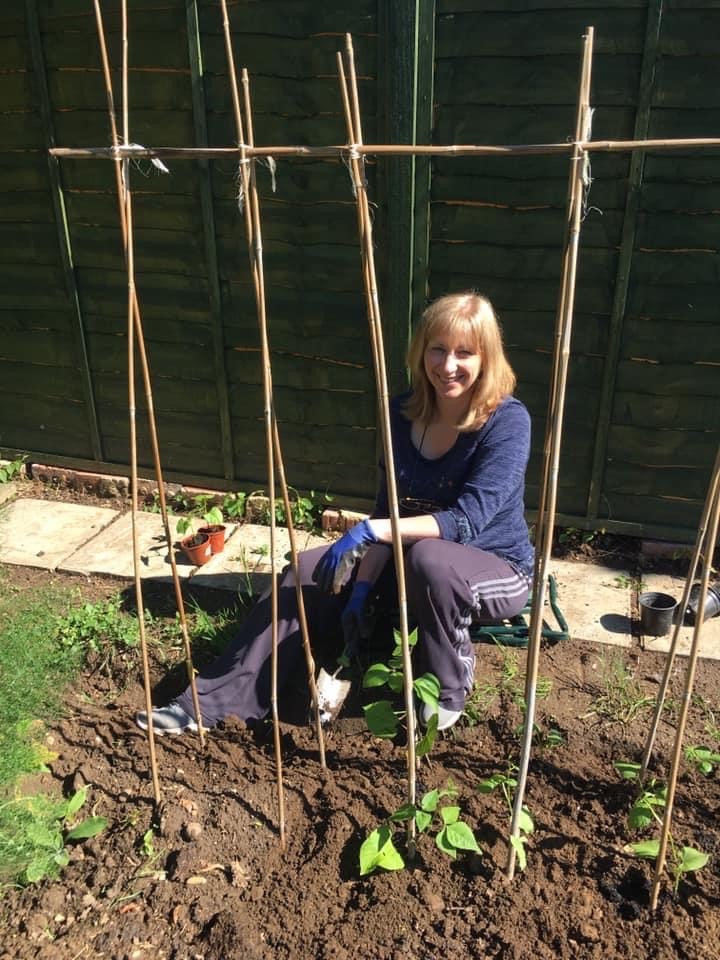
You will never have fresher or tastier fruit and vegetables than those you grow yourself, that’s for sure. Tomatoes, for example, take on a whole new level of flavour when they are warm from the greenhouse.
It does take time to grow a veggie garden, though. Start small and see how you get on.
Get free food
There are an increasing number of ways to get free food, mainly due to people and organisations looking to reduce food waste. But apps such as Olio, along with community pantries that are popping up in many towns and cities, offer another way to save money on your food bill.
When I use Olio regularly, it usually means I don’t have to buy any bread. Indeed, you might find the goods on offer are carb heavy. However, I have also had vegetables and salads, along with fruit, on offer.


Foraging is a time honoured way to find free food as well, of course. We tend to stick to fruit such as blackberries, crab apples and sloes, but you can study books such as Food For Free by Richard Mabey* and go more hard core. Dandelions, nettles, wild garlic, nuts and herbs are all available when you know where to look. However, I advise getting specialist help before you forage mushrooms and fungi.
Yellow stickers
Retailers are keener than ever to get rid of their short dated fresh food before it needs to be binned. Unlike best before dates, you need to pay more attention to use by dates. So look at for the reduced shelves at the supermarket and elsewhere for the famous yellow stickers.
Initial reductions may be quite small, but as it gets nearer to closing time some items can be found for as little as 10 or 20 pence. You need to experiment to find out when your nearest stores start to reduce things and work out the best times to go.
My daughter lives very close to an Asda store, and frequently pops in late in the evening or on a Sunday afternoon at about 3pm for amazing yellow stickers. She usually has a freezer full of meat that she has bought for barely anything.
Drink more water
Finally, if you have a fizzy drink habit, strive to kick it and replace those sugary drinks with tap water. It is a much cheaper and healthier option! Even if you just swap some of the time you will save money.
Although it tends to be cheaper, squash is another unnecessary purchase that you can replace with water too.

My own habit is too much tea. I have found that drinking a glass of water when I think about boiling the kettle means I can wait another hour or two for my next fix!
If you usually drink bottled water because you prefer the taste, try filling a jug from the tap and leaving it in the fridge. Any smell or taste of chlorine dissipates after an hour or so.
I hope you like my ideas on how to save money on food. Feel free to leave yours in the comments below, or pop over to my Facebook group, My Second Hand & Frugal Life, for more inspiration.
*These are my affiliate links. If you click through and make an order I will earn a small commission.

Carron says
I used to use Approved food for sauces and snacks but no longer do as I can buy at the same price (or sometimes less) in places like Home Bargains and B&M.